Contents:
- What the End Result Looks Like
- What You’ll Need Before You Start
- Step-by-Step: Launching Your T-Shirt Line
- Step 1: Choose Your Printing Method
- Step 2: Compare Printing Methods to Print-on-Demand
- Step 3: Source Blanks and Set Pricing
- Step 4: Build Your Storefront and Launch
- Seasonal Timeline for T-Shirt Sales
- Common Mistakes to Avoid
- Frequently Asked Questions
- How much does it cost to start a t-shirt business?
- What’s the average profit margin on a t-shirt?
- Is DTG or DTF better for beginners?
- Do I need a business license to sell t-shirts online?
A lot of people believe you need a warehouse full of inventory and a five-figure budget to launch a t-shirt line. That myth has stopped more side hustles than any real obstacle ever has. The truth is you can start with under $500, no inventory, and a laptop, though the printing method you choose will shape your margins for years.
What the End Result Looks Like
A functioning t-shirt business needs three pieces working together: a design you can legally sell, a printing method that matches your order volume, and a storefront where customers can buy. Done right, a small operation can net $8 to $15 per shirt after costs, with established sellers moving 200 to 1,000 units a month.
What You’ll Need Before You Start
- A registered business name or LLC (roughly $50-$500 depending on your state)
- Design software like Canva Pro ($120/year) or Adobe Illustrator ($20.99/month)
- A printing method: screen printing, DTG, DTF, heat transfer vinyl, or a print-on-demand partner
- An e-commerce platform such as Shopify ($39/month) or Etsy (listing fees plus 6.5% transaction fee)
- Blank shirt stock or a print-on-demand supplier contract
Step-by-Step: Launching Your T-Shirt Line
Step 1: Choose Your Printing Method
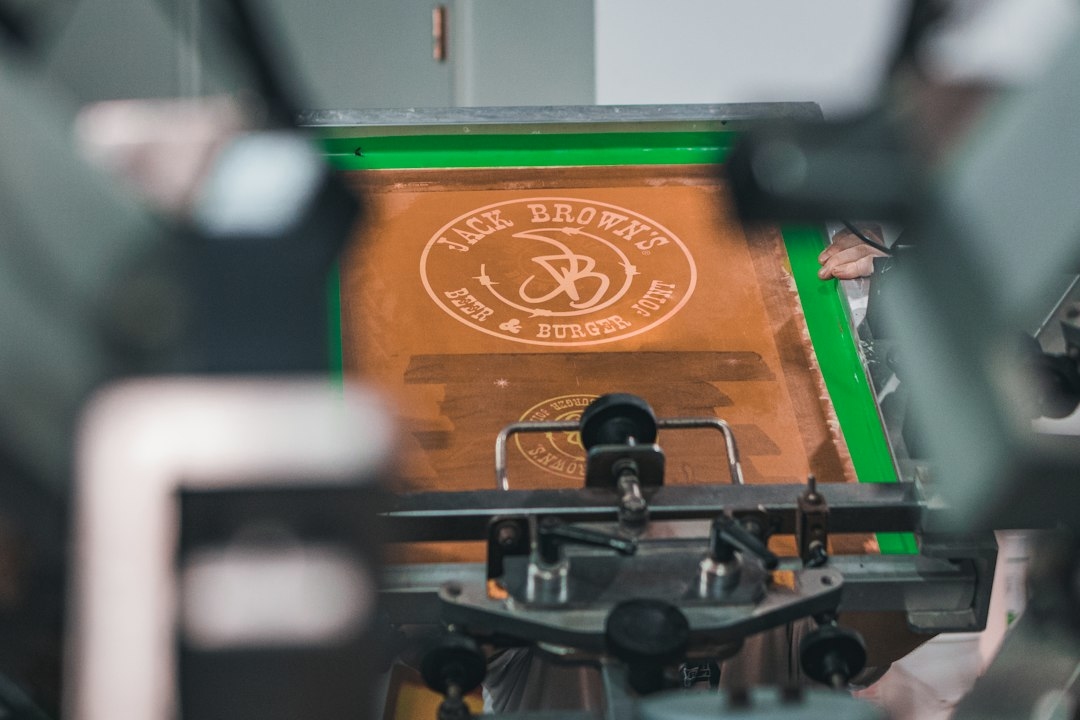
Screen printing costs pennies per unit at high volume (500+ shirts) but requires a $150-$300 setup fee per design and isn’t worth it below 25 units. Direct-to-garment (DTG) printing handles single shirts affordably, costing $6-$10 per print, and suits small custom orders. Direct-to-film (DTF) transfers, newer and gaining popularity through 2026, print on a film and heat-press onto fabric, working on cotton and polyester blends where DTG struggles. Heat transfer vinyl works for simple text-based designs at low volume but looks less professional on complex art.
Step 2: Compare Printing Methods to Print-on-Demand
Print-on-demand (POD) services like Printful or Printify are often confused with in-house printing, but they’re fundamentally different businesses. With POD, you never touch inventory or a printer; the supplier prints and ships after each sale, and you keep the margin between your price and their cost, typically $6-$9 per shirt. In-house printing (DTG, DTF, screen) costs more upfront but can double your margin once you’re past 50 shirts a month, since you’re not paying a middleman’s cut.
Step 3: Source Blanks and Set Pricing
Wholesale blank tees run $2.50-$5 each from suppliers like Gildan or Bella+Canvas, depending on fabric weight. Price finished shirts between $22 and $32 for a healthy margin after printing, platform fees, and shipping.
Step 4: Build Your Storefront and Launch
List products with clear sizing, fabric content, and at least three photos per design. Launch with 8-12 designs rather than one; a wider catalog performs better in search and gives customers reasons to browse.
Seasonal Timeline for T-Shirt Sales
Design and stock summer graphics by April, back-to-school designs by July, and holiday-themed shirts no later than October 1st for peak December sales. Valentine’s Day and Mother’s Day drive smaller but reliable spikes in February and May.
Common Mistakes to Avoid
- Ordering bulk inventory before validating demand with a small test batch
- Ignoring copyright and trademark checks on designs, fonts, and pop-culture references
- Pricing too low to compete, which erodes margin without meaningfully boosting sales
- Skipping quality control on the first print run from a new supplier
Frequently Asked Questions
How much does it cost to start a t-shirt business?
Print-on-demand setups can start under $100. In-house printing with equipment typically requires $1,500-$5,000 upfront.
What’s the average profit margin on a t-shirt?
Most sellers net 30%-50% per shirt after printing, platform, and shipping costs, translating to roughly $8-$15 per unit.
Is DTG or DTF better for beginners?
DTF generally suits beginners better since it works across more fabric types and the transfers store well before pressing.
Do I need a business license to sell t-shirts online?
Most states require some form of business registration once you’re selling regularly for profit, even part-time.