Contents:
- The Direct Answer
- Why These Choices Work
- Detailed Breakdown by Category
- Men’s Business Casual Shoes
- Women’s Business Casual Shoes
- Exceptions and Regional Nuances
- Seasonal Considerations
- A Sustainable, Budget-Friendly Angle
- Frequently Asked Questions
- Are sneakers ever appropriate for business casual?
- What’s the most budget-friendly business casual shoe?
- How many pairs of business casual shoes do I really need?
- Can flats really work in more formal business casual offices?
- Wrap-Up
Long before “business casual” became an office dress code phrase in the 1990s, workers already understood the basic idea: look put-together without wearing a full suit. Shoes are where that balance is easiest to get wrong, and easiest to fix once you know what to look for.
The Direct Answer
Business casual shoes for men typically mean leather loafers, derby shoes, or clean minimalist sneakers, while for women they mean low block heels, loafers, or polished flats, all avoiding athletic branding or overly casual materials like canvas.
Why These Choices Work
Business casual sits between a formal suit and everyday streetwear, so shoes need to read as intentional and polished without looking stiff. Leather and suede signal effort and quality at a glance, while sneakers or sandals, even nice ones, tend to undercut that impression in most office environments.
Detailed Breakdown by Category
Men’s Business Casual Shoes
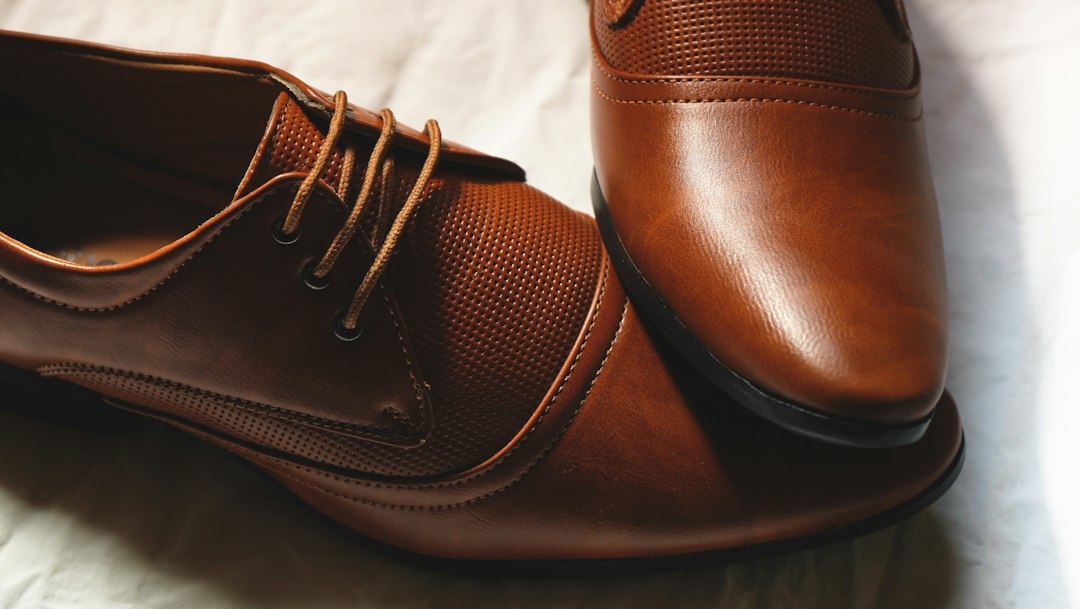
- Leather loafers: $80-$250, versatile for both business casual and slightly dressier settings
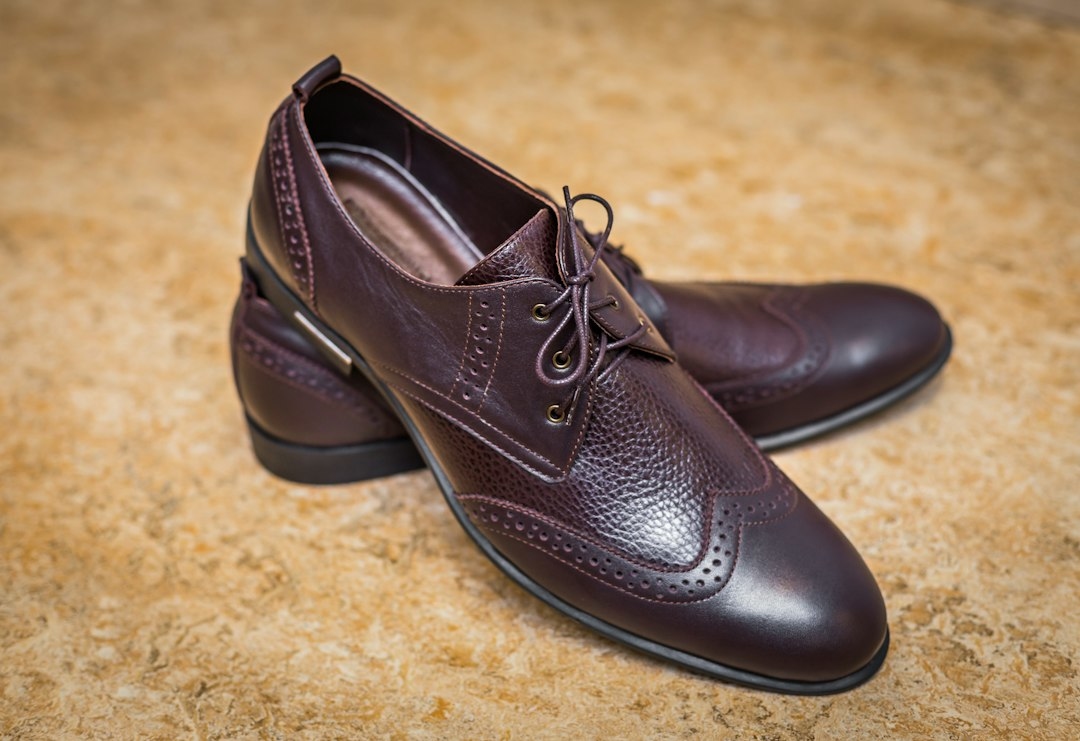
- Derby shoes: $90-$300, a step up in formality, good for client-facing roles
- Minimalist leather sneakers: $60-$180, appropriate for creative or tech-adjacent offices
Women’s Business Casual Shoes
- Block heel pumps: $50-$200, comfortable enough for a full workday compared to stiletto heels
- Leather loafers: $60-$220, an increasingly popular flat option across most industries
- Polished flats: $40-$150, a budget-friendly staple for daily wear
Exceptions and Regional Nuances
Office dress norms vary noticeably by region. In the Northeast, particularly finance-heavy cities like New York and Boston, business casual shoes lean more formal, favoring polished leather over sneakers even on casual Fridays. On the West Coast, especially in tech hubs, clean minimalist sneakers are widely accepted as business casual, even in client meetings. In the South, more traditional dress norms persist in many industries, with polished leather shoes still the safer default outside of startup-heavy cities like Austin.
Seasonal Considerations
Swap to suede or lighter leather loafers for spring and summer months, and reserve heavier leather derbies or boots for fall and winter, particularly in colder regions where salt and slush can damage delicate leather quickly. Many offices also loosen dress codes slightly during summer, making breathable loafers a smart year-round investment.
A Sustainable, Budget-Friendly Angle
Brands using recycled leather alternatives and resoleable construction let budget-conscious shoppers get more wear per dollar while reducing landfill waste; a $120 resoleable leather loafer that lasts five years often costs less per wear than a $50 pair replaced annually. Look for brands offering resoling services, which extend a shoe’s life well beyond its original construction.
Frequently Asked Questions
Are sneakers ever appropriate for business casual?
Yes, in many West Coast and tech-oriented offices, but stick to minimalist leather or suede sneakers rather than athletic-branded styles.
What’s the most budget-friendly business casual shoe?
Polished flats for women and derby-style shoes on sale for men typically offer the best value, often available for $40-$80 during seasonal sales.
How many pairs of business casual shoes do I really need?
Two to three pairs in neutral colors like black, brown, and navy cover most weekly rotations without requiring a large wardrobe investment.
Can flats really work in more formal business casual offices?
Yes, polished leather flats or loafers are widely accepted even in more formal Northeast offices, as long as they’re clean and well-maintained.
Wrap-Up
Match your shoe choice to your specific office culture and region first, then optimize for quality materials that hold up season after season rather than chasing trends that won’t last past a single year.